Follow Me On Social Media!
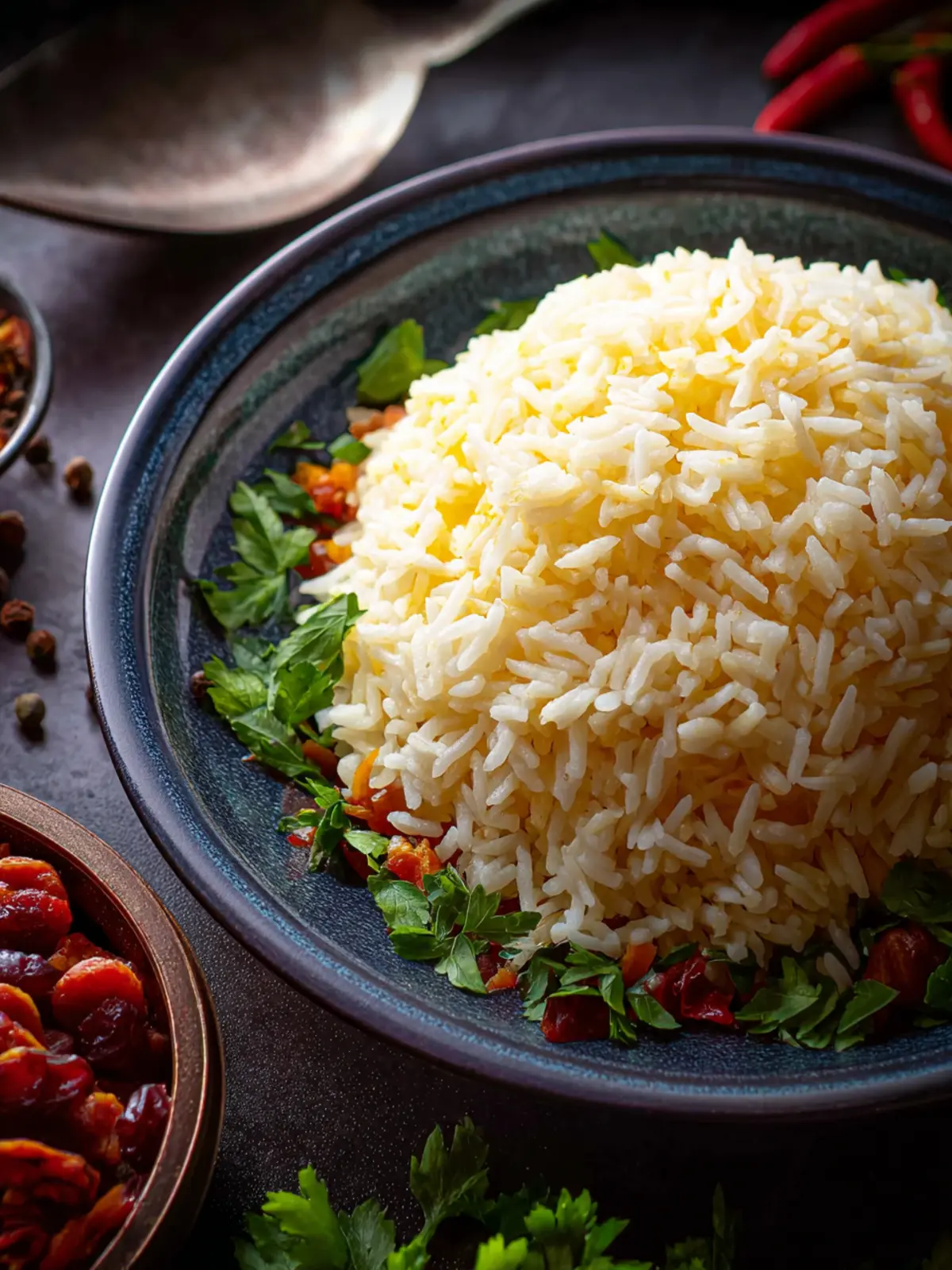
Turkish Rice Pilaf: The Best Cozy Comfort Food You’ll Love

Introduction to Turkish Rice Pilaf
Imagine sitting down to a meal where every bite is an experience, not just food. That’s where Turkish rice pilaf comes into play — a dish that beautifully encapsulates the warmth of Turkish hospitality and the rich tapestry of its culinary history. Often served as a side dish, this pilaf isn’t merely a bed for your main course; it’s a delightful symphony of flavors and aromas that elevates any meal.
At the heart of every great Turkish rice pilaf is the perfect balance of texture and taste. The rice, typically long-grained, is cooked to fluffy perfection, each grain separate and coated in a light sheen of buttery goodness. What sets this dish apart from its counterparts is its infusion of aromatic spices and the delightful addition of sautéed onions and sometimes even nuts or vegetables. This is not just rice; it’s a celebration of simplicity and richness, where every ingredient plays a vital role.
What makes Turkish Rice Pilaf so special?
The magic of turkish rice pilaf lies in its ingredients and cooking technique. Traditionally, it features a blend of simple yet flavorful components:
-
Rice: Long-grain varieties, such as basmati or jasmine, are favored for their ability to remain separate and fluffy post-cooking. Choosing the right rice can transform your pilaf from ordinary to exceptional.
-
Butter: This isn’t merely a cooking fat; butter infuses the rice with richness and depth. A common practice involves toasting the rice in butter before adding liquid, which enhances the nutty flavors.
-
Stock: While water is fine, using an aromatic chicken or vegetable broth elevates the taste, ensuring a more flavorful outcome.
-
Aromatics: Onions and garlic are frequently sautéed to bring out their natural flavors, setting a solid foundation for the rice.
-
Seasonings: Salt, pepper, and spices like cumin, or even a hint of cinnamon, are integral. They’re not just seasonings; they add that unmistakable touch of Turkish cuisine.
Every forkful of Turkish rice pilaf is a taste of tradition, offering a delightful sidekick to grilled meats, stews, or veggies. It reminds us that sometimes the simplest dishes contain the most flavor and emotion, leaving a lasting impression long after the meal is over. As you venture into this recipe, be prepared for a journey through taste, texture, and culture.
Key Ingredients for Turkish Rice Pilaf
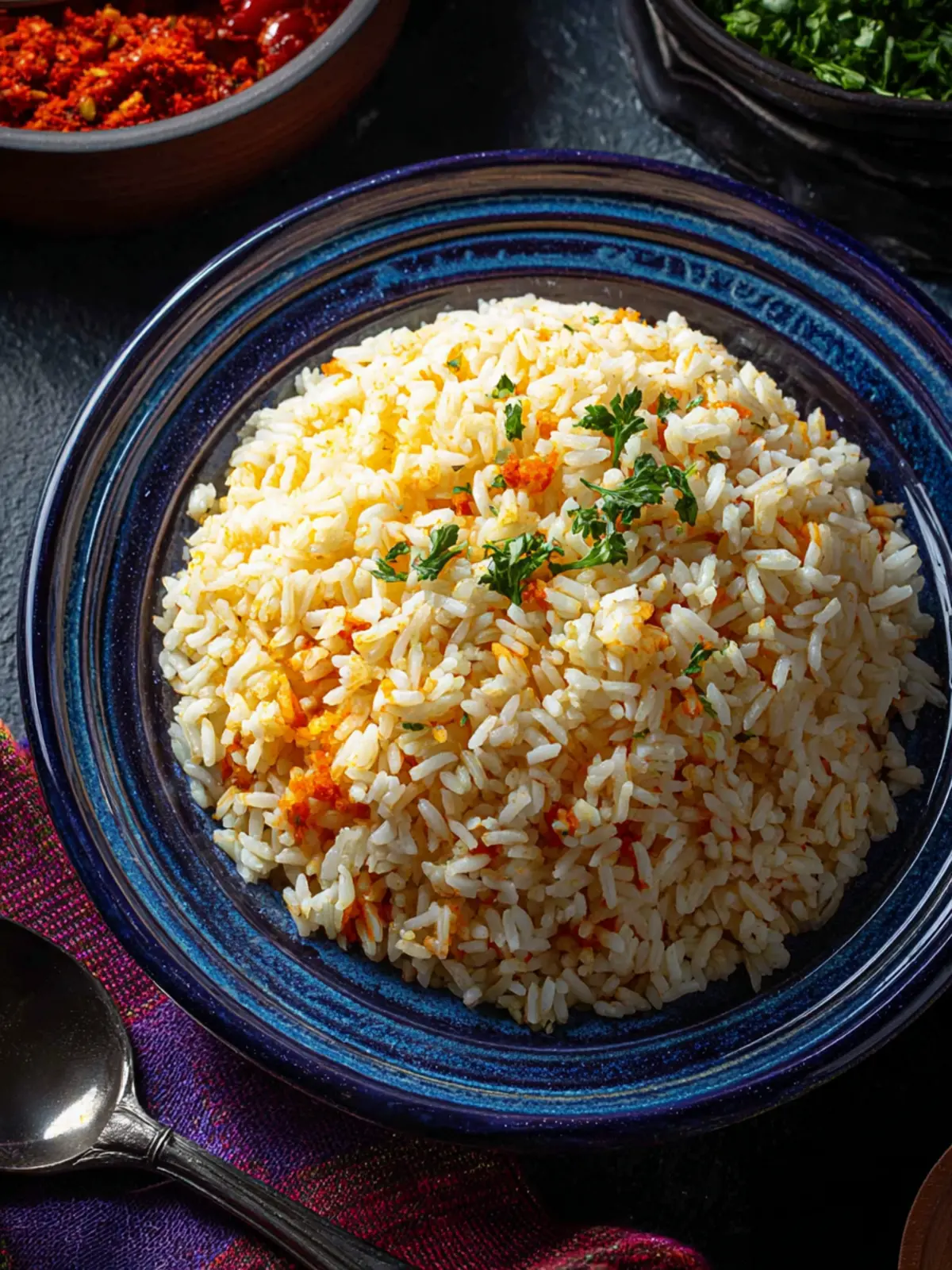
When diving into the world of Turkish rice pilaf, the ingredients you choose can make all the difference. Each component plays a vital role in crafting that delightful, aromatic experience that truly embodies Turkish cuisine. Here’s a closer look at the essential ingredients that bring this dish to life:
- Long-Grain Rice: Basmati or jasmine rice is ideal for creating the perfect fluffy texture. Soaking the rice for at least 30 minutes helps it cook evenly, resulting in grains that are separated and tender.
- Butter or Olive Oil: Using butter lends a rich flavor, while olive oil harmonizes with the dish’s Mediterranean essence. A combination of both can elevate the taste.
- Onions: Finely chopped onions provide a subtle sweetness that caramelizes beautifully as they sauté, contributing to the flavor profile of Turkish rice pilaf.
- Chicken or Vegetable Broth: The choice of broth imparts a depth of flavor. Using homemade broth can significantly enhance the dish, but store-bought works well too.
- Salt and Pepper: Simple seasonings that tie all the flavors together; adjust to your personal taste!
- Fresh Herbs: Parsley or dill can be added for a burst of freshness right before serving, making the pilaf not just delicious but visually appealing too.
These ingredients are more than just components; they’re the essence of Turkish rice pilaf, waiting to create a comforting experience for your palate.
Why You’ll Love This Recipe
When it comes to creating something truly delightful in your kitchen, Turkish Rice Pilaf is a dish that brings a story of heritage right to your plate. Imagine sitting down to a meal that not only satisfies your hunger but also transports you to the bustling bazaars of Istanbul, where the tantalizing aromas of spices fill the air.
This delightful dish is incredibly versatile; it pairs beautifully with various proteins like grilled meats or fresh vegetables, ensuring there’s something for everyone at the table. Here are a few reasons why you’ll love whipping up this Turkish Rice Pilaf:
-
Simple Yet Flavorful: The combination of warm spices, sautéed onions, and fragrant rice creates a symphony of flavors that elevate your dining experience without requiring hours in the kitchen.
-
Nutritious Ingredients: Rich in fiber and vitamins, this dish can be enjoyed guilt-free. Adding nuts or vegetables enhances its nutritional profile, making it a wholesome option for busy professionals.
-
A Crowd-Pleaser: Whether you’re hosting a dinner party or enjoying a quiet meal, this pilaf is guaranteed to impress your guests or simply provide comfort on a busy weeknight.
Once you indulge in this Turkish Rice Pilaf, it’s bound to become a staple in your culinary repertoire. Get ready for compliments!
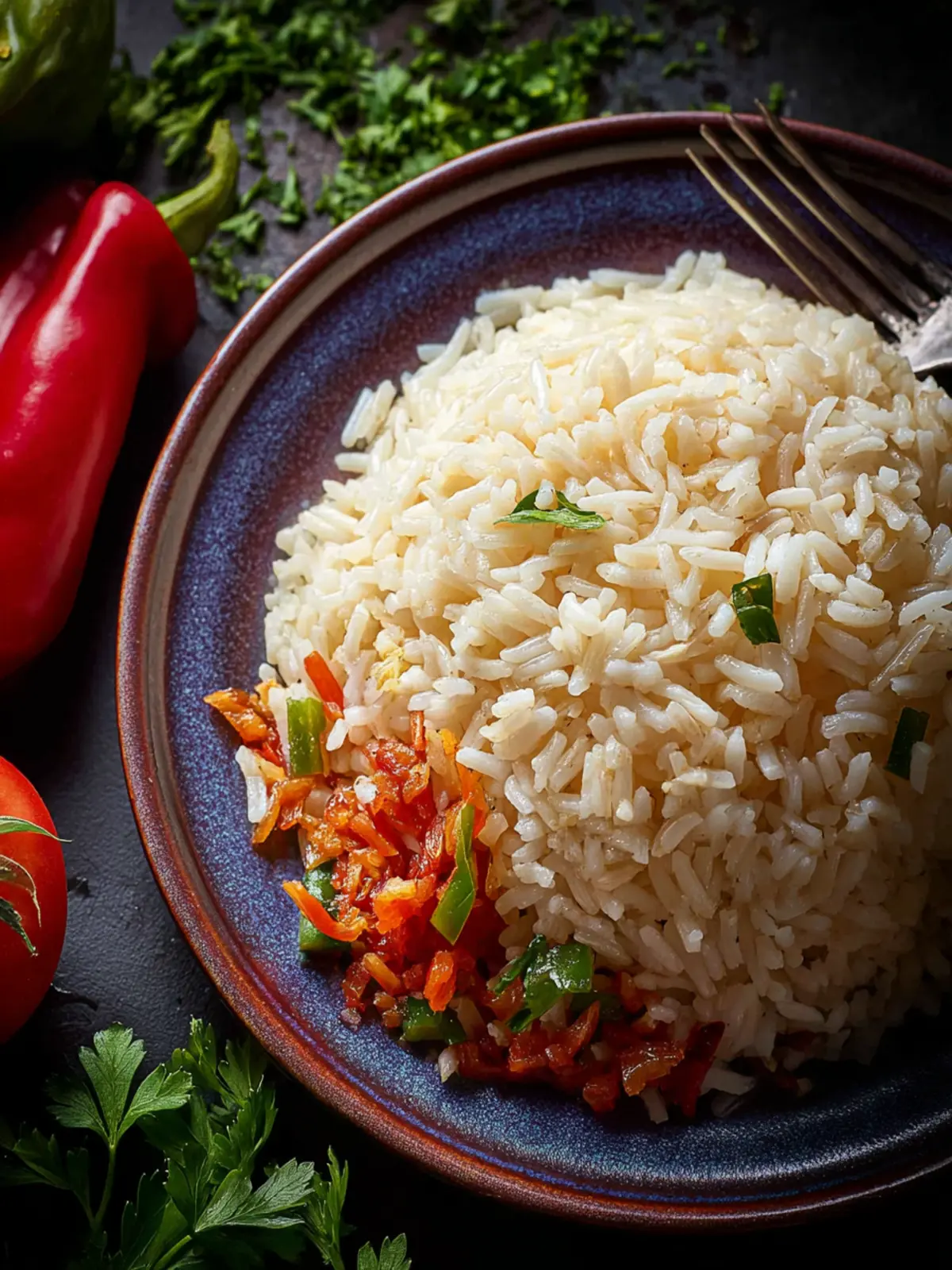
Variations of Turkish Rice Pilaf
When it comes to enjoying Turkish rice pilaf, the variations are abundant and can transform this beloved dish into something uniquely yours.
Herb and Spice Additions
Adding herbs and spices is a fantastic way to elevate your Turkish rice pilaf. Try incorporating fresh dill or parsley for a burst of vibrancy. A pinch of sumac can impart a tangy note that complements the savory flavors beautifully. Don’t shy away from experimenting with spices like saffron or cardamom to bring an exotic flair to your dish.
Vegetable Enhancements
Vegetables are another delightful way to customize your pilaf. Diced carrots, green peas, or bell peppers can add both color and nutrition. For a heartier option, sautéed mushrooms or roasted zucchini can bring a rich depth of flavor. You could even throw in some cherry tomatoes for a pop of sweetness!
Protein Pairings
Pairing your Turkish rice pilaf with proteins can create a satisfying meal. Consider adding chickpeas for a vegetarian option that’s high in protein. Grilled chicken or lamb can provide a hearty main course, while shrimp adds a touch of elegance. Don’t forget to garnish with slivers of toasted almonds or pine nuts for added crunch!
Each of these variations allows you to put your personal touch on the classic Turkish rice pilaf, making it a versatile dish for every occasion. Enjoy experimenting!
Cooking Tips and Notes for Turkish Rice Pilaf
Creating the perfect Turkish rice pilaf is an art that requires attention to detail and a bit of practice. If you’ve ever savored a plate of fluffy, aromatic rice that practically dances on your palate, you know there’s something special about this dish.
Rinsing the Rice
One of the keys to achieving that wonderful texture in your Turkish rice pilaf is thorough rinsing. Always rinse the rice under cold water until the water runs clear. This helps to remove excess starch that can cause the rice to become gummy.
Choosing the Right Rice
Opt for long-grain rice like basmati. This type of rice gives you that delightful fluffiness and prevents clumping, which is essential in pilaf. If you can get your hands on Turkish rice like Osmancik, you’ll be rewarded with a unique flavor and texture that’s hard to replicate.
The Sauté Step
Don’t skip the sautéing! Cooking the rice briefly in butter or oil with onions not only adds flavor but also helps to seal in moisture. This step makes all the difference in the final result, giving your pilaf that indulgent richness.
Broth or Water?
For added flavor, use chicken or vegetable broth instead of just water. This elevates the taste profile of your Turkish rice pilaf and complements any protein or vegetable sides beautifully.
Let It Rest
After cooking, allow your rice pilaf to rest covered for about 10 minutes before fluffing. This allows the grains to absorb any remaining moisture and gives you that light, airy texture.
By incorporating these tips into your cooking routine, you’ll soon be the go-to person for delicious Turkish rice pilaf at gatherings and dinner parties. Happy cooking!
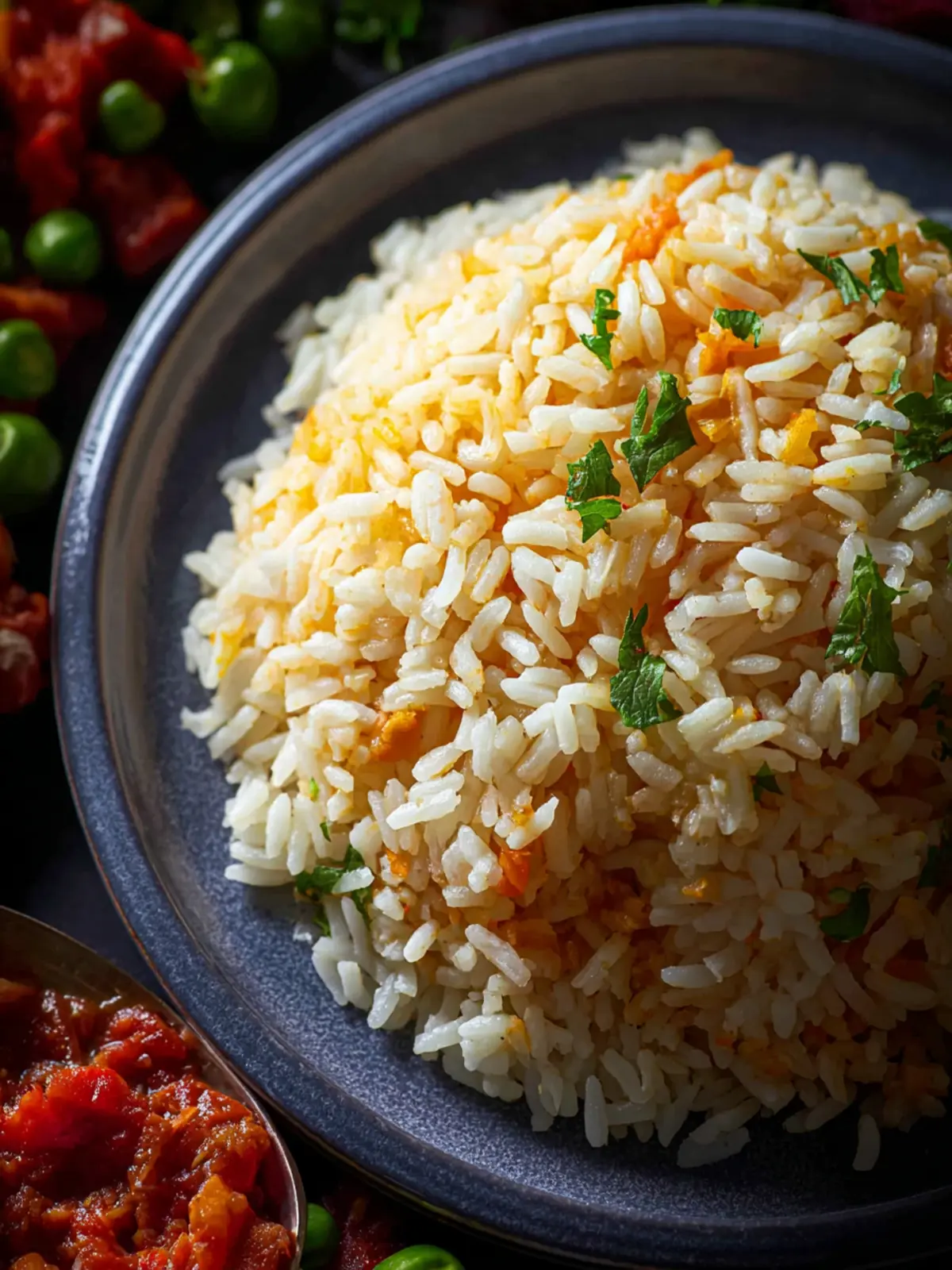
Serving Suggestions for Turkish Rice Pilaf
When it comes to serving Turkish rice pilaf, the dish truly shines when paired with other flavors and textures. This delightful recipe can be the star of your meal or serve as a comforting side that complements a variety of dishes.
Complementary Dishes
To elevate your Turkish rice pilaf, consider serving it alongside:
- Grilled Lamb or Chicken: The savory spices of grilled meats harmonize beautifully with the pilaf’s subtle flavors. Marinating your meat in yogurt and spices adds depth to your meal.
- Stuffed Bell Peppers: These colorful veggies are a wonderful way to introduce more vegetables to your plate and offer a great balance to the pilaf’s richness.
- Turkish Meatballs (Köfte): Juicy and fragrant, köfte pairs excellently with the aromatic qualities of your pilaf, making for a hearty and fulfilling dinner.
Garnishes and Toppings
Don’t forget the finishing touches! Enhancing your Turkish rice pilaf with these garnishes can elevate your dish:
- Fresh Herbs: Chopped parsley or dill adds a refreshing burst of flavor and a pop of color.
- Toasted Nuts: A handful of slivered almonds or pine nuts adds a delightful crunch that contrasts beautifully with the soft rice.
- Crispy Onions: Fried onions or shallots sprinkled on top provide an aromatic sweetness that enhances every bite.
With these serving ideas, your Turkish rice pilaf will be transformed from a comforting dish into a culinary experience that brings everyone to the table.
Time Breakdown for Turkish Rice Pilaf
When you’re ready to bring the delightful flavors of Turkish Rice Pilaf into your kitchen, knowing how to manage your time helps ensure a smooth cooking experience. Let’s break down the timing for this delicious dish.
Preparation time
Getting everything ready takes about 10-15 minutes. You’ll want to rinse your rice, chop your onions, and gather any seasonings or ingredients needed to set the stage for this flavorful rice pilaf.
Cooking time
The cooking process will take approximately 20 minutes. During this time, the rice absorbs all those wonderful flavors from the broth or butter, resulting in a perfectly fluffy pilaf.
Total time
From start to finish, you’re looking at around 30-35 minutes for your Turkish Rice Pilaf creation. In less than an hour, you’ll have a savory side dish that can elevate any meal!
Nutritional Facts for Turkish Rice Pilaf
When you dive into the delightful world of Turkish Rice Pilaf, you’re not just savoring a dish; you’re discovering a culinary experience packed with nutritional benefits. This beloved staple offers a wholesome combination of flavors and textures, making it a perfect side or main course.
Calories
A typical serving of Turkish Rice Pilaf contains around 200 calories. This makes it a balanced option that can fit into a variety of dietary lifestyles without feeling overly indulgent.
Macronutrients
- Carbohydrates: Approximately 40 grams, primarily sourced from rice.
- Protein: Around 4 grams, which contributes to your daily intake.
- Fat: About 3 grams, primarily from olive oil or butter used during cooking.
These nutrition facts highlight how Turkish Rice Pilaf not only tastes wonderful but also provides beneficial energy, making it an excellent choice for busy professionals seeking balanced meals.
FAQs about Turkish Rice Pilaf
Cooking the perfect Turkish rice pilaf can feel daunting, but don’t worry; we’ve got your questions covered! This dish is a staple in many Turkish households, and knowing how to master it can elevate your meal experience.
How can I prevent my rice from being mushy?
Mushy rice is a common concern when making Turkish rice pilaf. To keep your rice separate and fluffy, rinse it thoroughly under cold water until the water runs clear to remove excess starch. Also, be sure to use the correct water-to-rice ratio—typically, a 2:1 ratio works well. Lastly, let the rice simmer gently and avoid lifting the lid during cooking. This keeps the steam trapped inside, ensuring evenly cooked grains.
Can I make this pilaf in advance?
Absolutely! Preparing Turkish rice pilaf ahead of time is a great idea. You can cook it and let it cool to room temperature before storing it in an airtight container. It can stay fresh in the refrigerator for up to three days. Reheat it gently on the stovetop or microwave, adding a splash of water to restore moisture.
What are the best storage practices for leftover pilaf?
To enjoy your Turkish rice pilaf later, ensure it’s cooled down before storing. Keep it in an airtight container; this helps maintain its flavor and texture. If you plan on storing it for longer, consider freezing portions. Just thaw in the fridge overnight and reheat, ensuring it’s heated through before serving. Proper storage will keep those delightful flavors intact for your next meal!
Conclusion on Turkish Rice Pilaf
In wrapping up our exploration of Turkish rice pilaf, it’s clear this dish is a delightful addition to any meal. The combination of aromatic spices, tender grains, and the subtle allure of butter creates a dish that not only complements your main courses but also stands beautifully on its own. Whether you’re hosting a lively dinner party or enjoying a cozy meal, this pilaf is versatile enough to impress your guests or satisfy your cravings. So, don your apron, gather your ingredients, and dive into this warming culinary tradition that surely brings a piece of Turkey to your kitchen!
Print
Perfect Rice
- Total Time: 25 minutes
- Yield: 4 servings 1x
- Diet: Vegetarian
Description
A simple yet delicious method to cook perfect rice every time.
Ingredients
Scale
- 300 grams rice (Ideally Baldo rice, but use any long grain white rice if you can’t find it.)
- 2 tablespoons olive oil
- 25 grams butter
- 375 ml boiling water
- 1 teaspoon salt
Instructions
- Rinse the rice in a sieve under running water until the water runs clear. Drain well.
- Heat a wide pan over medium heat (stainless steel or non-stick both work). Add the olive oil, then add the rice. Cook for about 5 minutes, stirring often. At first, the rice will look white and may stick together.
- If you’re using a stainless steel pan, the rice may also stick lightly to the bottom. Don’t scrape it. Wait a little and stir again — it will release as it heats up and the grains will start separating.
- By the end, the rice should look slightly glossy and the grains should be separate. There should be no browning.
- Reduce the heat to low and add the butter. Stir until it melts.
- Carefully pour in the hot water, add the salt, and give it a gentle stir. Since the water is already hot, it will begin simmering quickly. Cover the pan and cook on the lowest heat for 5 minutes.
- After 5 minutes, open the lid and very gently stir. Try not to mash the grains. Cover and cook for another 5 minutes on low heat.
- The rice should have absorbed all the water. If there is still water, continue cooking on low heat. If the water is absorbed but the rice is still too firm, add 1–2 tablespoons of hot water and continue cooking on low until fully absorbed.
- Remove the pan from the heat. Gently stir the rice again, cover loosely (leave the lid slightly ajar), and let it rest for 10 minutes.
- Before serving, gently lift and fluff the rice from bottom to top. Serve warm.
Notes
- Allowing the rice to rest after cooking helps to enhance its texture.
- Use a sharp knife to check the rice doneness if needed.
- Prep Time: 10 minutes
- Cook Time: 15 minutes
- Category: Sides
- Method: Boiling
- Cuisine: Italian
Nutrition
- Serving Size: 1 cup
- Calories: 250
- Sugar: 0 g
- Sodium: 300 mg
- Fat: 12 g
- Saturated Fat: 4 g
- Unsaturated Fat: 8 g
- Trans Fat: 0 g
- Carbohydrates: 36 g
- Fiber: 1 g
- Protein: 4 g
- Cholesterol: 10 mg