Follow Me On Social Media!
Falafel Bowl Bliss: The Best Recipe for Flavorful Comfort

Introduction to the Ultimate Falafel Bowl
Imagine diving into a vibrant bowl filled with crunchy falafels, fresh veggies, and creamy goodness—this is the ultimate falafel bowl, where flavor meets nutrition in every bite. Originating from the Middle East, falafel has garnered global love for its satisfying crunch and rich taste. This comforting dish is not just a meal; it’s an experience that invites you to explore a world of textures and tastes. Each component—from the crispy falafels to the crisp greens—works in harmony to create a visually stunning and deliciously satisfying dish.
With a growing focus on plant-based diets, falafel bowls have become an essential option for both vegetarians and meat-lovers alike. The beauty of assembling your own falafel bowl lies in its versatility; you can customize it according to your preferences or whatever ingredients are available in your fridge. Feeling adventurous? Try adding pickled vegetables for a zesty kick, or swap in different grains like quinoa or farro for a unique twist.
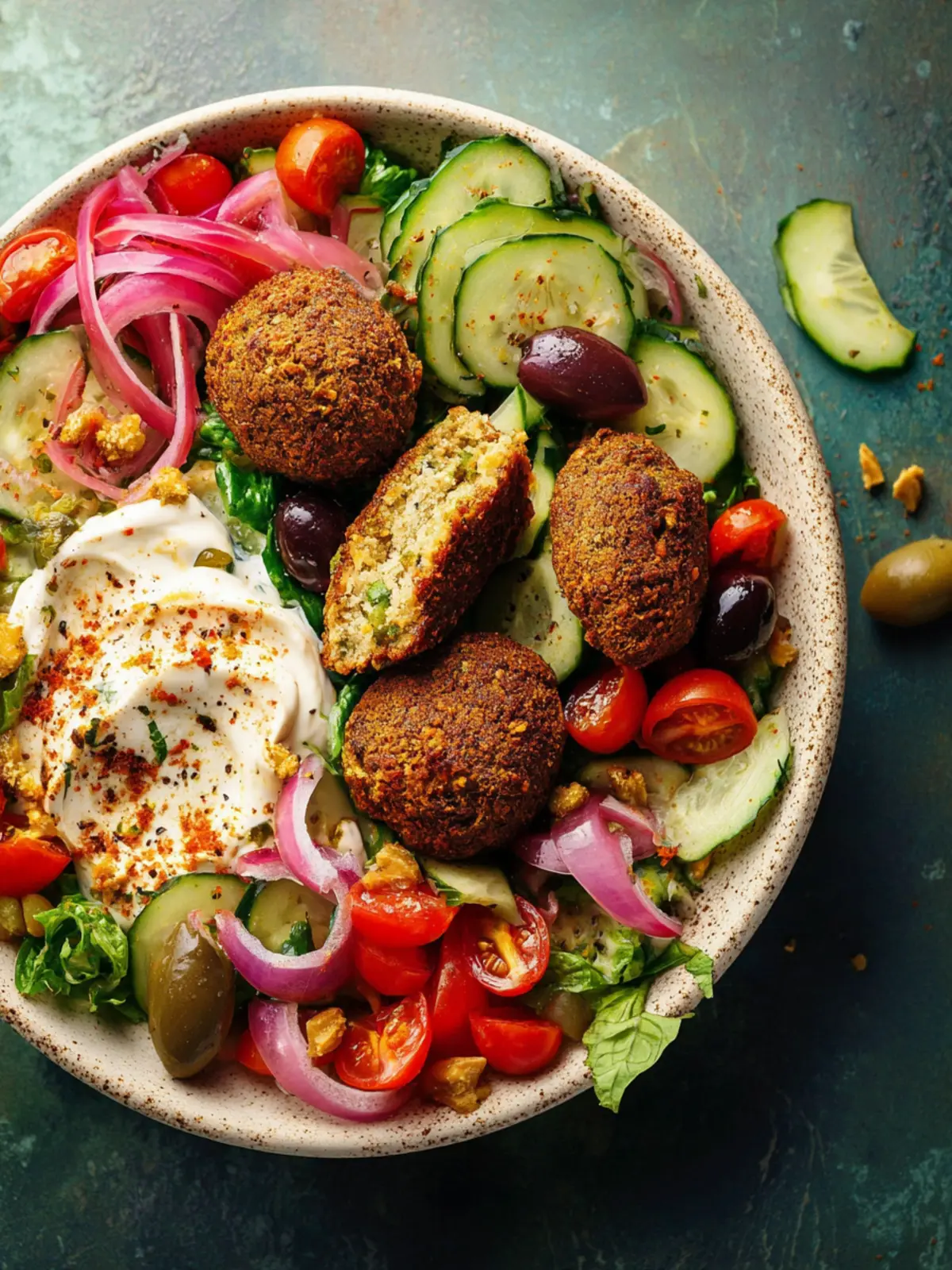
But what makes this bowl truly irresistible isn’t just the flavor; it’s the way it comes together. Picture a base of fluffy couscous or fragrant rice topped with perfectly fried falafels, drizzled with tangy tahini sauce, and complemented by a medley of colorful veggies. This combination not only fulfills your hunger but also adds a burst of freshness that’s hard to resist.
The ultimate falafel bowl is more than just food—it’s a canvas for creativity, nourishing both body and soul. Whether you’re prepping for a weeknight dinner or hosting friends, this dish promises to impress while bringing a world of flavors right to your table. So, are you ready to embark on your falafel bowl journey? Let’s explore the delicious ingredients that make this bowl a staple in communities around the globe.
What Makes a Falafel Bowl Irresistible?
- Flavor Fusion: The mix of crispy falafel with fresh ingredients creates a party for the senses.
- Customizable: Tailor your bowl to fit your taste preferences with various toppings and bases.
- Nutrition Powerhouse: Packed with plant-based protein and rich in vitamins, it’s nutritious without sacrificing taste.
This is no ordinary meal; it’s the ultimate healthful and satisfying bowl of joy.
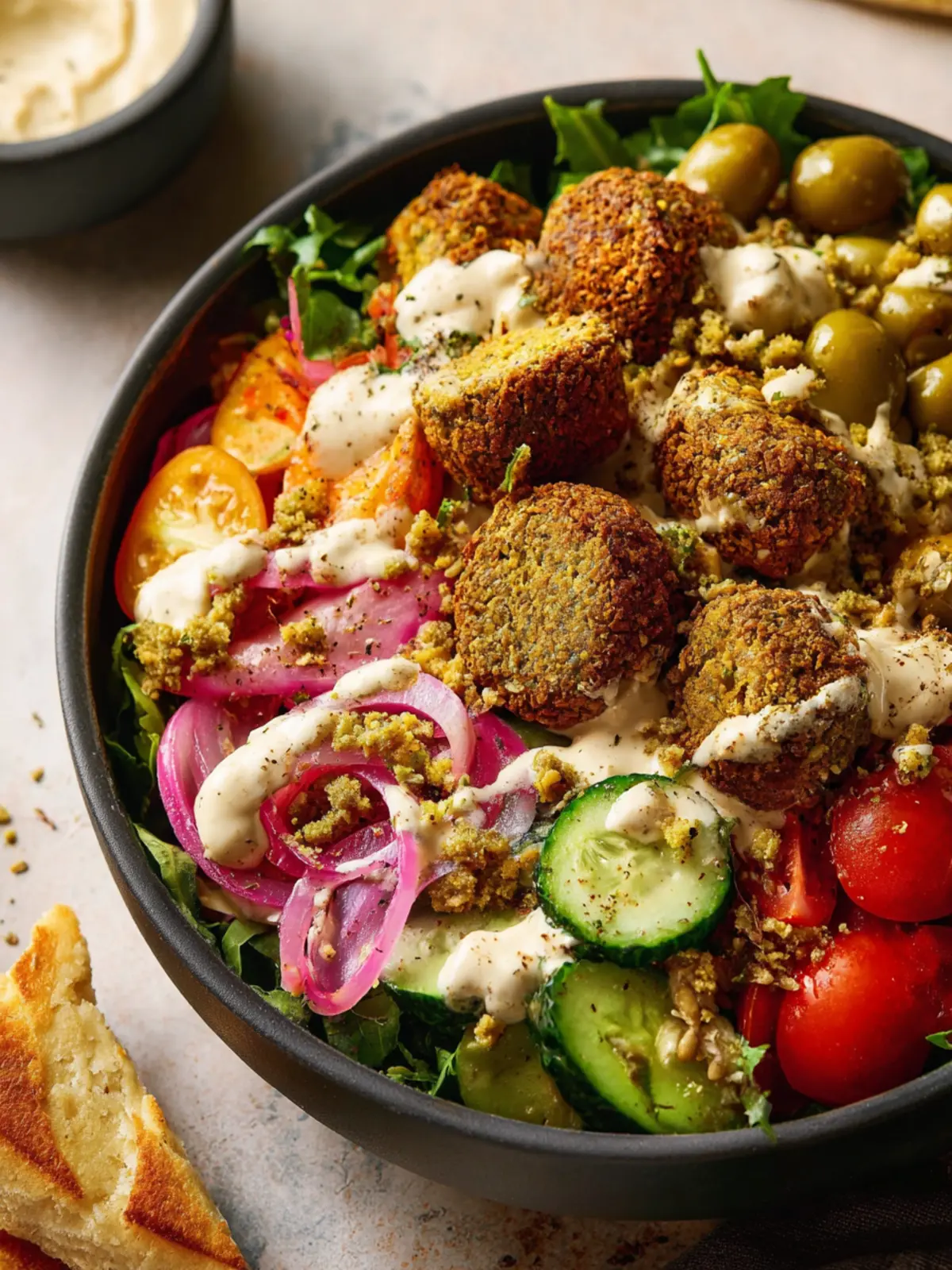
Key Ingredients for the Falafel Bowl
Baked Falafel: To achieve a satisfying crunch without the guilt, I bake my falafel instead of frying. This method highlights the chickpeas’ earthy flavor while using less oil. The result is a lighter version that doesn’t skimp on taste!
Chickpeas: The heart of any classic falafel bowl, chickpeas are rich in protein and fiber. I like to use dried chickpeas that I soak overnight, as they create a superior taste and texture compared to their canned counterparts.
Old Fashioned Rolled Oats: Instead of flour, I blend in old-fashioned rolled oats to bind the falafel. This not only provides a wholesome boost of fiber but also adds a delightful chewiness.
Tahini: A drizzle of creamy tahini elevates the flavor profile, adding a nutty richness that pairs beautifully with the spices in the falafel.
Fresh Vegetables (Cucumber, Tomatoes, Arugula): Crisp textures from fresh vegetables make the falafel bowl truly vibrant. I love using diced cucumber and juicy tomatoes along with peppery arugula to create a refreshing balance.
Hummus: Smooth and creamy hummus acts as a perfect accompaniment. It enhances the bowl while providing additional protein and healthy fats.
Olive Oil: A splash of good-quality olive oil not only brings everything together but also adds a fruity note that complements the other ingredients beautifully.
Why You’ll Love This Falafel Bowl
The falafel bowl is a delightful journey through flavor and texture, capturing the essence of Middle Eastern cuisine. Imagine this: you come home after a long day, craving something vibrant yet wholesome. This bowl is exactly what you need—comforting, nutritious, and incredibly satisfying. It brings together crispy falafel, refreshing veggies, and creamy dressing to create a dish that feels both indulgent and light.
Nutritious Ingredients
- Falafel: The star of the show! These chickpea balls are fantastic sources of plant-based protein and fiber, ensuring your meal keeps you full and energized.
- Fresh Vegetables: Whether it’s crunchy cucumbers or ripe tomatoes, each bite of these veggies adds vitamins and minerals, contributing to your overall health.
- Grains: Quinoa or brown rice forms the base of your bowl, providing essential nutrients and antioxidants that are critical for busy lifestyles.
- Tahini or Yogurt Dressing: A drizzle of creamy dressing elevates your dish, bringing all the components together for a satisfying bite.
This falafel bowl is not just a meal; it’s a celebration of flavors and colors that cater to both your taste buds and your health goals. After one bowl, you’ll find it hard to resist coming back for more!
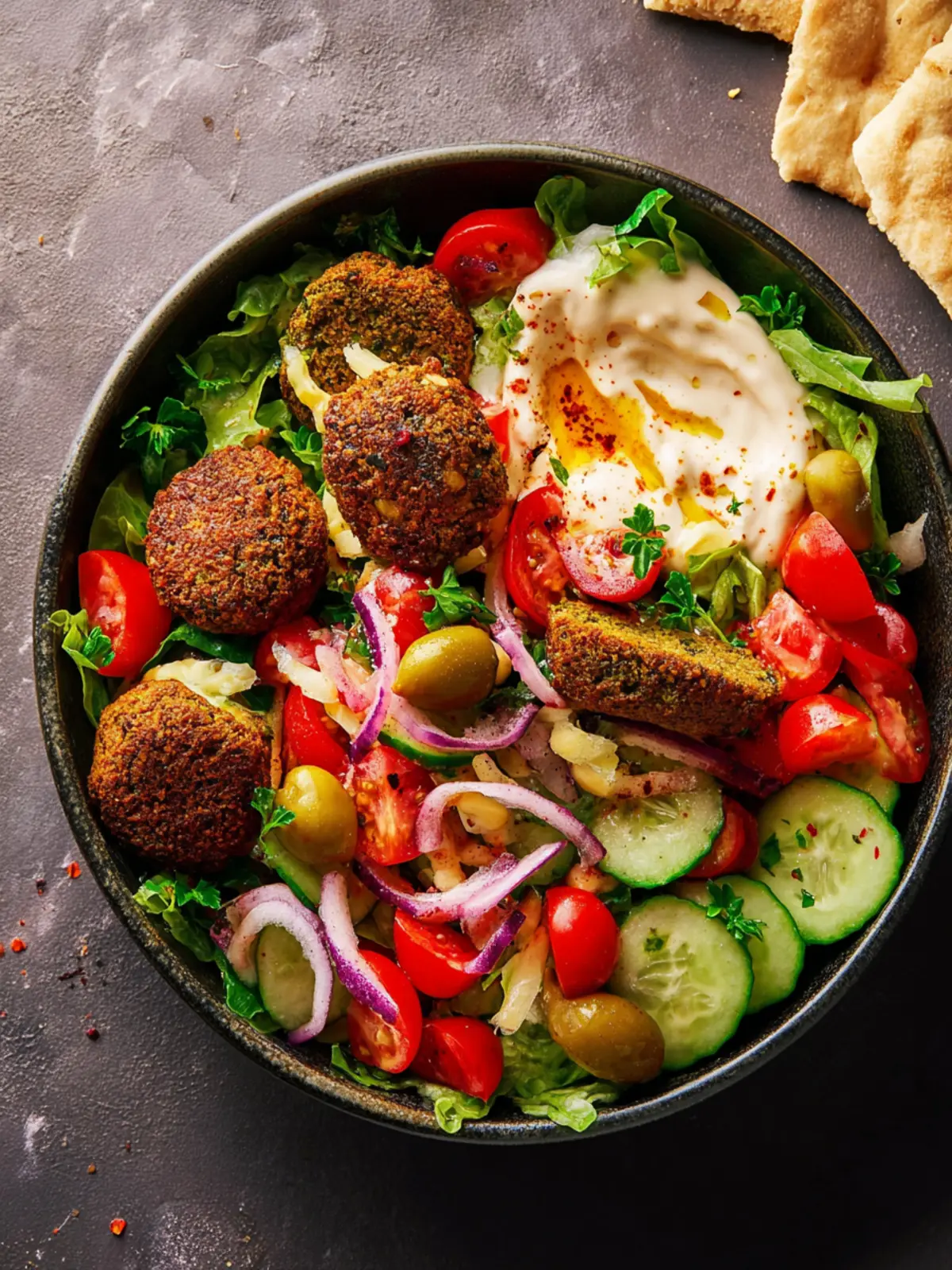
Variations of the Falafel Bowl
Exploring the diverse falafel bowl is like embarking on a culinary journey without leaving your kitchen. Each variation allows you to infuse new flavors, textures, and nutritional benefits that cater to your preferences and dietary needs.
Mediterranean Twists
Dive into Mediterranean flavors by incorporating ingredients like roasted red peppers, artichoke hearts, or feta cheese. Adding a tangy tahini dressing can take your falafel bowl to the next level. Slivers of olives and a sprinkle of sumac can elevate the taste even further, creating a medley of delightful tastes that will transport you straight to a sun-soaked café by the sea.
Vegan Adaptations
For those committed to plant-based living, enhancing your falafel bowl is simple. Instead of traditional yogurt dressing, try a creamy cashew or tahini-based sauce. You can also add avocado for extra creaminess and healthy fats, making your bowl both indulgent and nutritious. Don’t forget to top it off with a handful of fresh herbs like cilantro or parsley to brighten the dish!
Grain-Free Options
Going grain-free is entirely achievable with your falafel bowl. Swap out traditional grains for zucchini noodles or cauliflower rice as a base. Not only do these alternatives reduce carbs, but they also pack in more vegetables. You can layer your falafel bowl with more greens like kale or spinach for added vitamins and a delightful crunch.
With these variations, your falafel bowl can be a unique representation of your culinary style and dietary preferences. Enjoy experimenting!
Cooking Tips and Notes for the Perfect Falafel Bowl
Creating a falafel bowl is an exciting culinary adventure, and with these tips, you’ll elevate your dish from ordinary to extraordinary.
Prepping Ingredients in Advance
One of the best ways to enjoy your falafel bowl is to prep ingredients ahead of time. Spend a little time chopping fresh vegetables, like cucumbers, tomatoes, and romaine lettuce, so they’re crisp and ready when you assemble your bowl. You can even create a flavorful tahini dressing to drizzle on top. By having everything prepped, you can whip up your meal in no time—perfect for those busy weeknights!
Achieving the Ideal Falafel Texture
The texture of your falafel is crucial for a delightful experience. So, remember, don’t overprocess your chickpeas when making the mixture. You want a coarse blend that holds together but isn’t too smooth. This gives your falafel a perfect crispy exterior while keeping the inside tender. If you find your mixture too wet, simply add a tablespoon of flour or breadcrumbs for binding.
Making Your Pickled Vegetables
Adding pickled vegetables can truly elevate your falafel bowl. A quick pickling solution of vinegar, water, sugar, and salt will enliven your veggies. I love to let them marinate for at least an hour; it adds a zesty crunch that perfectly complements the savory falafel. Experiment with different vegetables like radishes or carrots to keep things interesting and flavorful!
With these tips, your falafel bowl will be a hit, bursting with flavor and texture. Happy cooking!
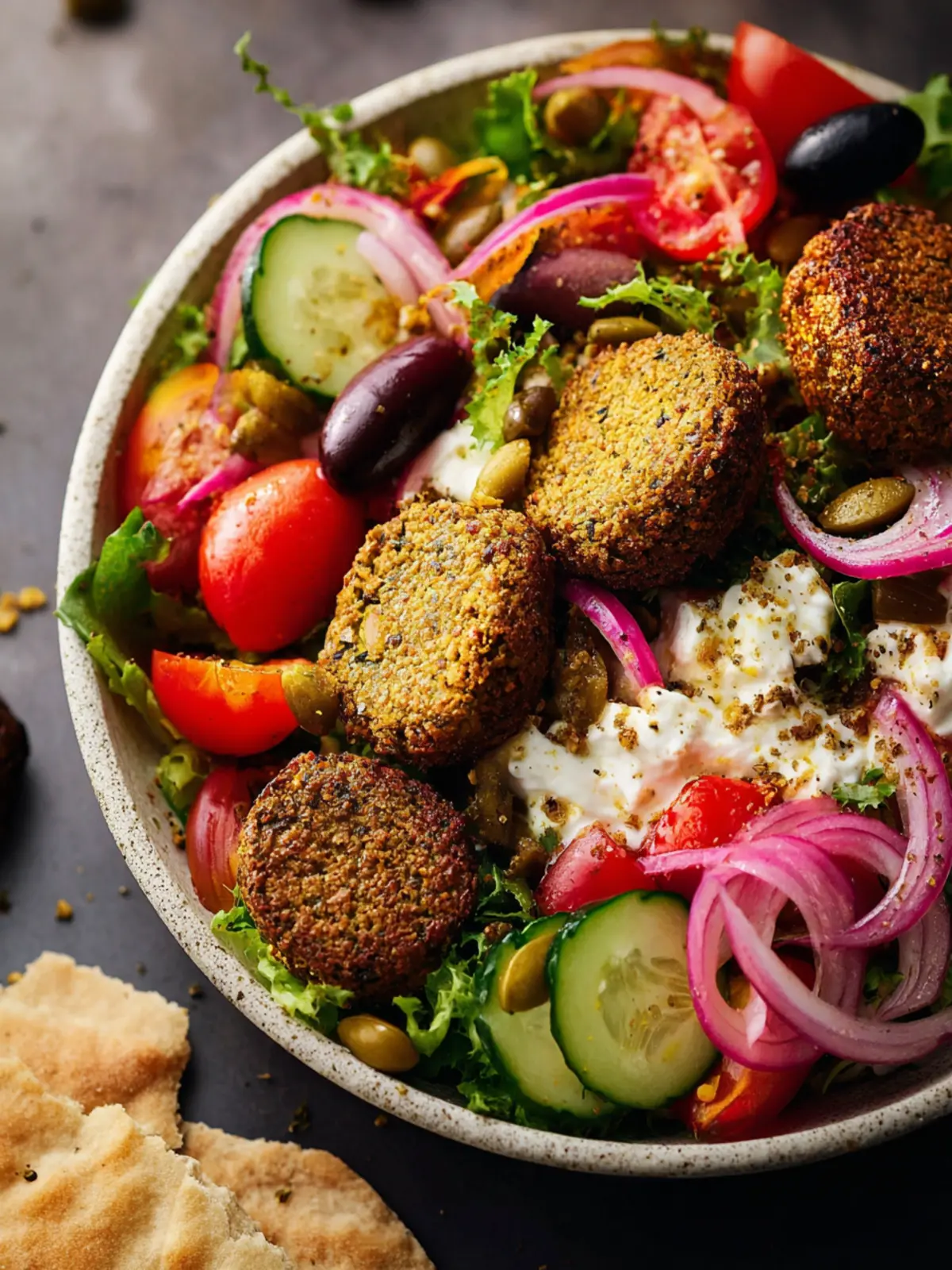
Serving Suggestions for the Falafel Bowl
Creating a falafel bowl is just the beginning of a delicious journey. It’s not only about the flavors in the bowl but also how you bring everything together for a delightful meal. Here are some creative serving suggestions to elevate your falafel bowl experience.
Pairing with Pita
Nothing complements a falafel bowl like warm, fluffy pita bread. Whether you opt for classic pita or whole wheat, it’s perfect for scooping up the falafel and myriad toppings. Consider cutting the pita into triangles and lightly toasting them for extra crunch. It’s a fantastic way to add texture and makes for a perfect accompaniment to the fresh ingredients in your bowl.
Sides that Complement
In the spirit of variety, think about incorporating side dishes that pair beautifully with your falafel bowl. Here are a few ideas:
- Tabbouleh: This fresh, herbaceous salad brings a zesty contrast.
- Hummus: A creamy dip that works wonderfully for spreading.
- Roasted Vegetables: Seasonal veggies, like zucchini or bell peppers, complement the flavors nicely.
Presentation Ideas
The key to a stunning falafel bowl lies in its presentation. Layer your bowl starting with a base of greens, then neatly arrange falafel balls, fresh vegetables, and a drizzle of tahini sauce. Use a colorful plate or bowl to let each ingredient shine. Adding some chopped herbs or edible flowers on top can elevate the aesthetic, turning your meal into a vibrant centerpiece worthy of any table!
Time Breakdown for Making a Falafel Bowl
Creating a vibrant falafel bowl can feel like a culinary adventure—one that brings the earthy flavors of Middle Eastern cuisine right to your kitchen. To help you navigate your journey toward deliciousness, here’s a friendly breakdown of the time you’ll need.
Preparation time
To get started, set aside about 20 minutes for preparation. This includes gathering your ingredients, chopping your veggies, and mixing your falafel mixture.
Cooking time
Next, you’ll spend about 30 minutes cooking. This encompasses frying or baking your falafel and assembling your bowl with all those stunning toppings.
Total time
In total, you’ll be spending approximately 50 minutes to create your falafel bowl masterpiece. Trust me, the delicious result is well worth every minute!
Nutritional Facts for the Falafel Bowl
When you’re craving a Falafel Bowl, not only do you satisfy your taste buds, but you also load up on nutrients that keep you energized. Let’s break down some key nutritional facts about this vibrant dish.
Calories
The falafel bowl serves as a wholesome meal alternative, clocking in at around 450 calories per serving. This makes it suitable for lunch or dinner without derailing your dietary goals.
Protein
Packed with about 20 grams of protein, these hearty chickpea balls are perfect for plant-based eaters looking to boost their intake. Combined with fresh veggies, this bowl offers a satisfying source of protein to fuel your day.
Fiber
Don’t overlook the fiber content! A single serving delivers approximately 10 grams of fiber, promoting good digestive health and keeping you full longer. Including the fresh greens and toppings enhances this benefit even further, making it an excellent choice for a balanced diet.
With these facts, enjoying a falafel bowl can be a guilt-free adventure in flavor and nutrition.
FAQs about the Falafel Bowl
Life has a way of bringing people together, much like the incredible falafel bowl, a dish that’s not only flavorful but also fosters connection and conversation. Let’s dive into some frequently asked questions to enhance your falafel-making experience and answer common queries that arise.
Can I prepare falafel in advance?
Absolutely! Preparing falafel in advance can save you time, especially on busy days. Simply form the falafel balls and refrigerate them on a baking sheet lined with parchment paper. Once they are frozen, you can transfer them to a container or freezer bag for long-term storage. They can easily be cooked straight from frozen; just add a couple of extra minutes to the cooking time for a crisp, golden finish.
What can I use instead of tahini?
If you’re in a pinch without tahini for your falafel bowl, don’t worry! You can substitute it with peanut butter or almond butter for a nutty twist. You might also try making a simple yogurt sauce with plain Greek yogurt, lemon juice, and garlic—this adds a nice creamy element without the tahini flavor.
How do I store leftover falafel?
Storing your leftover falafel is easy! Place the cooked falafel in an airtight container and keep it in the refrigerator for up to four days. For longer storage, consider freezing the falafel. Allow them to cool completely, then freeze individually on a baking sheet before transferring to a freezer bag. This way, you can enjoy your falafel bowl goodness whenever the craving strikes!
Conclusion on the Falafel Bowl
Creating a falafel bowl is not just about throwing ingredients together; it’s about embracing a delightful blend of textures and tastes that come together harmoniously. Picture yourself savoring each bite—crispy falafel, vibrant veggies, and a drizzle of tahini sauce—each component elevating your meal experience. The beauty of this dish is its versatility; you can customize it with your favorite grains or toppings. Whether you’re prepping for a quick lunch or a cozy dinner, this flavorful bowl is sure to impress. So gather your ingredients, invite some friends, and enjoy the delightful journey of making your own falafel bowl. Happy cooking!
Print
Baked Falafel Bowl
- Total Time: 50 minutes
- Yield: 4 servings 1x
- Diet: Vegetarian
Description
This Baked Falafel Bowl is a healthy and delicious option, featuring homemade falafel, fresh vegetables, and creamy hummus.
Ingredients
Scale
- 1 recipe Baked Falafel (recipe below; or purchased falafel)
- 1 handful Pickled Cucumber and Onions, plus leftover sliced English cucumber
- 1 dollop hummus (purchased)
- 1 handful sliced or chopped tomatoes
- 1 handful olives
- 1 handful baby arugula
- Feta (optional); or vegan feta
- Olive oil, to drizzle
- Sumac (optional)
- 1 15-ounce can chickpeas
- 1/2 cup Old Fashioned rolled oats (or use 1/2 cup oat flour)
- 1/4 cup red onion, roughly chopped
- 3 garlic cloves, peeled
- 1/2 cup cilantro leaves and tender stems, loosely packed (or fresh parsley)
- 2 tablespoons tahini
- 1 tablespoon olive oil
- 2 teaspoons cumin
- 1 teaspoon coriander
- 1/2 teaspoon baking powder
- 3/4 teaspoon kosher salt
- Fresh ground black pepper
Instructions
- Make the Pickled Cucumbers and Onions: Start the Pickled Cucumbers and Onions, which take 30 minutes to pickle (or make in advance). Alternatively, you can use fresh sliced cucumber and red onion.
- Make the Baked Falafel: Preheat the oven to 425°F. Drain and rinse the chickpeas. Dab the chickpeas with a paper towel to remove extra moisture and set them aside. Place the rolled oats in a bowl of a food processor. Process 30 seconds to 1 minute until they are the texture of flour. Pour into a separate bowl and set aside. (If using oat flour, skip this step.)
- Roughly chop the red onion and peel the garlic. Place them into the food processor with the cilantro and pulse until finely minced, stopping and scraping down the bowl once. Add the chickpeas, tahini, olive oil, cumin, coriander, baking powder, salt and pepper and process until combined, stopping and scraping the bowl once. Then add the oats and pulse until a uniform dough forms. (Try not to over-process the dough: you’ll want it uniform and shape-able with a little texture.) Line a baking sheet with parchment paper.
- Use your hands to roll the dough into 16 balls that are 1 ½ tablespoons each, then flatten them into discs (it’s helpful to use a size 40 cookie scoop, if you have it). Place the discs on the baking sheet and brush the tops with olive oil. Bake the falafel for 15 minutes until golden brown, then flip. Brush the tops with more olive oil. Return to the oven and bake for 10 minutes, until golden brown on the other side. Allow to cool at least 5 minutes before eating. (Refrigerate up to 1 week or freeze up to 3 months; consider making a double batch and storing leftovers.)
- Make the Falafel Bowl: To make the bowl, add a generous handful baby arugula and dollop of hummus to a shallow bowl. Surround with handfuls tomatoes, pickled cucumbers and onions, fresh cucumber (left over from the pickled recipe), olives, and feta cheese (if using). Add the falafel to the bowl and drizzle with olive oil. If desired, sprinkle with sumac.
Notes
- For best results, make the falafel dough the day before and let it sit in the fridge for better flavor.
- This dish is very versatile; feel free to add any of your favorite vegetables.
- Leftover falafel can be stored for up to a week in the refrigerator.
- Try using different toppings or sauces to customize your falafel bowl.
- Prep Time: 20 minutes
- Cook Time: 30 minutes
- Category: Main Course
- Method: Baking
- Cuisine: Mediterranean
Nutrition
- Serving Size: 1 bowl
- Calories: 350
- Sugar: 2g
- Sodium: 500mg
- Fat: 15g
- Saturated Fat: 2g
- Unsaturated Fat: 10g
- Trans Fat: 0g
- Carbohydrates: 45g
- Fiber: 10g
- Protein: 12g
- Cholesterol: 0mg