Follow Me On Social Media!

Walnut Milk Homemade: The Best Creamy Alternative You’ll Love

Introduction to Walnut Milk Homemade
Creating your own walnut milk homemade can be a delightful journey that invites you into a world of creamy richness, all while ensuring you’re in control of the ingredients. Picture this: a smooth, nutty beverage that not only tantalizes your taste buds but also provides a host of health benefits. With increasingly busy schedules, many are seeking nutritious alternatives to traditional dairy, and walnut milk offers a tantalizing answer. Not only is it vegan and dairy-free, but it also features heart-healthy fats and a bounty of essential nutrients.
What is walnut milk, and why should you make it?
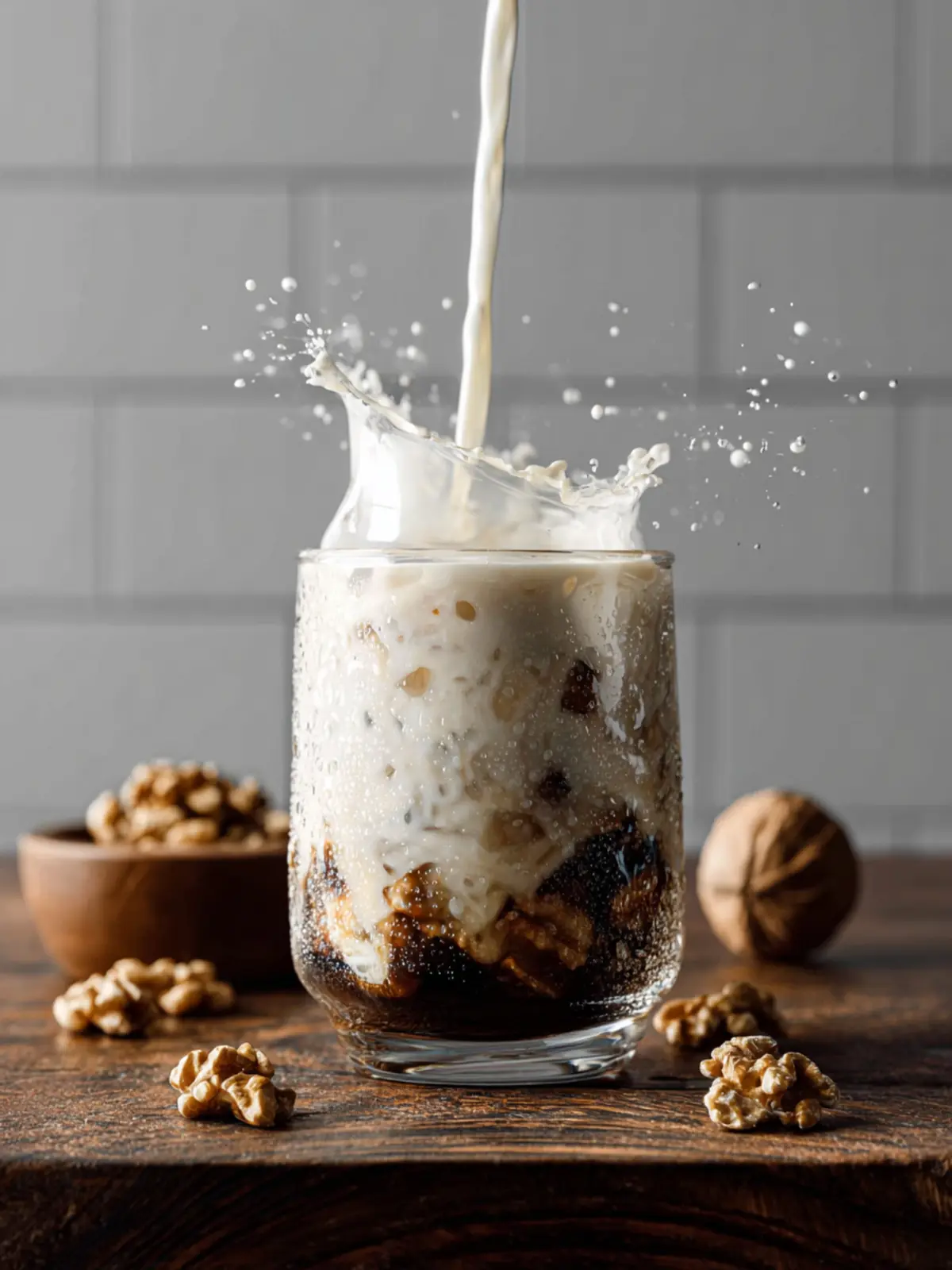
Walnut milk homemade is a plant-based alternative to dairy milk, crafted by blending walnuts with water, and straining the mixture to achieve a silky consistency. The result is a nutty flavor that pairs perfectly with smoothies, coffee, or even on its own.
Here are just a few compelling reasons to whip up a batch of walnut milk at home:
- Nutritional Punch: Walnuts are packed with omega-3 fatty acids, antioxidants, and vitamins. Incorporating walnut milk into your diet can boost your heart health and support brain function. Plus, it’s a great source of protein.
- Simplicity at Its Best: Making walnut milk at home might sound daunting, but it’s surprisingly easy and requires minimal ingredients. If you’ve got a blender and some cheesecloth, you’re ready to go! The process doesn’t take much time and is much more satisfying than pouring store-bought alternatives.
- Tailored to Your Taste: One of the best parts of making your own walnut milk is being able to customize it to suit your preferences. Want it a bit sweeter? Add a splash of maple syrup or a pinch of vanilla. Prefer it thicker for your morning coffee? Just adjust the liquid-to-nut ratio.
So, if you’re ready to explore a nourishing and flavorful addition to your diet, grab those walnuts and let’s dive into the world of homemade walnut milk!

Key Ingredients for Walnut Milk Homemade
Walnut milk homemade is more than just a dairy alternative; it’s a creamy delight that brings a nutty richness to your daily routine. Getting the right ingredients is key to unlocking that distinct flavor and texture.
-
Walnuts: I recommend using raw, unsalted walnuts for your milk. They provide the bold, rich flavor that characterizes walnut milk. If you can soak them overnight, it softens them and helps enhance creaminess in the final product.
-
Water: Using filtered water elevates the freshness of the milk. The amount of water you use will determine how rich or light your walnut milk becomes. For a creamier texture, opt for less water; if you like it thinner, add more.
-
Sweetener: I typically use a splash of maple syrup or a few dates to sweeten the deal. This adds just the right hint of sweetness without overpowering the walnut flavor.
-
Vanilla Extract: A teaspoon of pure vanilla extract beautifully complements the nutty tones, enhancing the overall experience with aromatic notes.
-
Salt: Just a pinch can make a big difference, balancing the flavors and enriching the taste of the walnut milk.
By combining these simple ingredients, you create a soothing, nutritious drink that can be enjoyed on its own or used in various recipes.
Why You’ll Love This Recipe
When you think about creating a walnut milk homemade, picture the warm, nutty aroma filling your kitchen as you blend those simple ingredients into a creamy delight. This recipe isn’t merely about making a dairy alternative; it’s about crafting a nourishing beverage that fuels your day with health and flavor.
-
Health Benefits: Walnut milk is packed with omega-3 fatty acids, which are fantastic for heart health. It’s also lower in calories than cow’s milk and completely plant-based, making it a great choice for vegans and those seeking to reduce animal product intake.
-
Simple Ingredients: With just a few natural ingredients, this recipe provides a wholesome alternative to store-bought nut milks that often contain additives. You know exactly what’s going into your milk, and it tastes better too!
-
Versatile Use: Use your walnut milk homemade in smoothies, coffee, or as a creamy base in your favorite recipes. Its unique flavor profile shines, whether you’re drizzling it over breakfast oatmeal or mixing it into a decadent dessert.
-
Sustainable Choice: Making your nut milk at home significantly reduces packaging waste. You save money while being kinder to the planet.
Dive into this walnut milk homemade recipe, and you’ll wonder why you didn’t make it sooner!
Variations of Walnut Milk
Creating your own walnut milk homemade opens a world of delicious variations that tantalize the taste buds and nourish the body. By infusing flavors or adding nutritious extras, you can make your homemade walnut milk uniquely yours.
Flavor Infusions
Adding a splash of flavor can elevate your walnut milk. Some popular options include:
- Vanilla: A few drops of pure vanilla extract add sweetness without extra sugars.
- Cocoa: For chocolate lovers, incorporating raw cacao powder gives a rich, indulgent feel.
- Spices: A pinch of cinnamon or nutmeg introduces warmth and depth, making every sip cozy and delightful.
- Coffee: Morning routines get a twist with a shot of espresso blended right in, perfect for that caffeine kick.
Nutritional Add-ins
To boost the health benefits of your walnut milk, consider these nutritional enhancements:
- Protein Powder: A scoop of your favorite protein blend can turn your walnut milk into a post-workout treat.
- Chia Seeds: These tiny powerhouses add omega-3 fatty acids and fiber, creating a satisfying texture.
- Sweeteners: If you prefer a touch of sweetness, honey or maple syrup can complement the natural nuttiness without overwhelming it.
Experiment with these variations, and you’ll soon discover a range of delightful flavors that make your homemade walnut milk a standout in your daily routine.
Cooking Tips and Notes
Creating your own walnut milk homemade can be a delightful experience, filled with satisfying aromas and earthy flavors. Here are some helpful tips to ensure your walnut milk is rich and creamy.
Soaking Walnuts
Soaking is a crucial first step in making walnut milk homemade. It not only softens the nuts, allowing you to extract the maximum flavor, but also helps in neutralizing enzyme inhibitors. This can make the walnuts easier to digest. Ideally, soak your walnuts for 8 to 12 hours in water. After soaking, be sure to rinse them thoroughly under cool water to remove any unwanted residue.
Blending Techniques
Blending your walnuts properly can make a significant difference in the final texture of your milk. Use a high-speed blender for the best results; it helps achieve a creamy consistency. Add the soaked walnuts along with water in a ratio of 1:4 for a milder taste or adjust according to your preference for creaminess. Blend on high until the nuts are finely ground, about 1 to 2 minutes. The longer you blend, the creamier your walnut milk will be! Once done, strain the mixture through a nut milk bag or fine cheesecloth to separate the pulp, leaving you with smooth, delicious walnut milk ready for your favorite recipes.

Serving Suggestions
Enjoying Walnut Milk
Delighting in walnut milk homemade is an experience that truly blends taste with wholesomeness. This creamy beverage can stand alone as a refreshing drink or transform your daily meals! Serve it chilled with a sprinkle of cinnamon or a drizzle of honey for a deliciously nutty treat. Alternatively, you can enjoy it warm, perhaps with a dash of vanilla and a few chocolate shavings to elevate your cozy evenings – it’s a drink that feels like a hug in a mug.
Pairing with Other Dishes
The versatility of walnut milk homemade shines when paired with various culinary delights. Use it as a base for smoothies, adding your favorite fruits and greens for a nutritious breakfast. It also makes an excellent companion for cereals, oatmeal, or even in baking recipes, where its nutty flavor complements muffins and pancakes beautifully. For those who enjoy coffee, substituting your usual milk with walnut milk can elevate your latte experience, turning it into a gourmet delight.
Time Breakdown
Creating your own walnut milk homemade might seem like a task that requires hours in the kitchen, but it’s surprisingly quick! By the end, you’ll see that the effort is well worth it.
Preparation Time
Gathering your ingredients and soaking your walnuts takes just 10 minutes. Prepping is simple, and you’ll appreciate having everything ready before blending.
Cooking Time
While there’s no actual cooking needed here, blending the soaked walnuts and straining the milk will take around 10 minutes.
Total Time
In just 20 minutes, you’ll be enjoying fresh, creamy walnut milk homemade that’s perfect for smoothies, coffee, or even on its own!
Nutritional Facts for Walnut Milk Homemade
Creating walnut milk homemade isn’t just a delightful way to enjoy a plant-based milk alternative; it also comes with impressive nutritional benefits that your body will thank you for.
Calories
In a standard serving of walnut milk, you’ll find approximately 70-80 calories, largely derived from the healthy fats in walnuts. This makes it a nutritious option, especially for those looking to replace traditional milk without sacrificing flavor.
Protein
Walnut milk is a source of plant-based protein, offering about 1-2 grams per serving. While it may not be as high in protein as cow’s milk or soy milk, it still provides a decent supplement to your daily intake, especially when blended into smoothies or cereals.
Fat Content
One of the standout features of walnut milk homemade is its heart-healthy fat content. With around 7-8 grams of fat per serving, most of it being unsaturated, this milk boasts benefits for heart health, thanks to the omega-3 fatty acids found in walnuts. Embracing walnut milk can be a delicious way to support your overall well-being while enjoying a creamy treat.
FAQs about Walnut Milk Homemade
Creating your own walnut milk homemade can be an exciting venture, but you might have a few questions simmering in your mind. Let’s dive into these frequently asked questions to help you get the most out of your walnut milk journey!
How long does homemade walnut milk last?
Once you’ve crafted your walnut milk homemade, you’ll want to know how to store it effectively. Generally, homemade walnut milk can last about 3 to 5 days when kept in an airtight container in the refrigerator. It’s best to give it a little shake before pouring, as separation is natural. If you notice any off smell or taste, it’s time to let it go.
Can I use walnut milk in coffee or tea?
Absolutely! Using walnut milk homemade in coffee or tea can enhance your morning beverage in a deliciously nutty way. Whether you pour it in your latte or drizzle it over a cup of herbal tea, walnut milk adds a creamy texture and unique flavor profile that can elevate your drinks. Just remember, it may not froth like dairy milk, but it certainly imparts a nutty richness that many find delightful.
What are the benefits of walnut milk compared to dairy milk?
Ratios of nutrients play a crucial role in making walnut milk homemade a compelling alternative to dairy. Walnut milk is often lower in calories and fat than cow’s milk while being rich in omega-3 fatty acids, which are well-known for their heart health benefits. Additionally, it’s naturally lactose-free, making it perfect for those with lactose intolerance. With no cholesterol and a good dose of antioxidants, walnut milk is not just a dairy substitute — it’s a health-boosting choice that many people appreciate.
Choosing to craft your own walnut milk opens the door to healthier, flavorful options in your diet!
Conclusion on Walnut Milk Homemade
Creating walnut milk homemade is not just an enjoyable culinary experiment; it’s also a nourishing addition to your diet. The process allows you to savor the rich, nutty flavor without any preservatives or additives. By using high-quality walnuts, you’re reaping the benefits of essential fatty acids and antioxidants. If you’re looking for a delightful alternative to dairy milk, this recipe can easily be adjusted with added flavors like vanilla or cinnamon. Next time you need a quick refreshment or a creamy addition to smoothies, remember the simple joys of making walnut milk at home—it’s both uplifting and satisfying!
Print
Walnut Milk
- Total Time: 15 minutes
- Yield: 4 cups 1x
- Diet: Vegan
Description
A creamy and nutritious walnut milk that is easy to make at home.
Ingredients
Scale
- 1 cup walnuts
- 3 cups water
- 1 pinch salt (about 1/8 tsp)
- 1–2 teaspoons vanilla extract
- 1–2 tablespoons honey (can also use dates or maple syrup)
Instructions
- Add the walnuts to a small pot and cover with water.
- Bring to a boil, then let simmer for 5-10 minutes to allow the walnuts to soften.
- Strain and rinse well until the water runs clear.
- Add to a high speed blender with the water, salt and any optional ad-ins.
- Blend until completely smooth, about 1 full minute.
- Use a nut milk bag to strain once or run through a fine mesh strainer 2-3 times until little pulp remains.
- Transfer to glass jars and store in the fridge.
Notes
- You can adjust the sweetness by changing the amount of honey or using alternative sweeteners.
- For flavored walnut milk, experiment with adding cocoa powder or cinnamon.
- Prep Time: 5 minutes
- Cook Time: 10 minutes
- Category: Beverages
- Method: Blending
- Cuisine: American
Nutrition
- Serving Size: 1 cup
- Calories: 100
- Sugar: 2g
- Sodium: 1mg
- Fat: 9g
- Saturated Fat: 1g
- Unsaturated Fat: 8g
- Trans Fat: 0g
- Carbohydrates: 4g
- Fiber: 1g
- Protein: 3g
- Cholesterol: 0mg